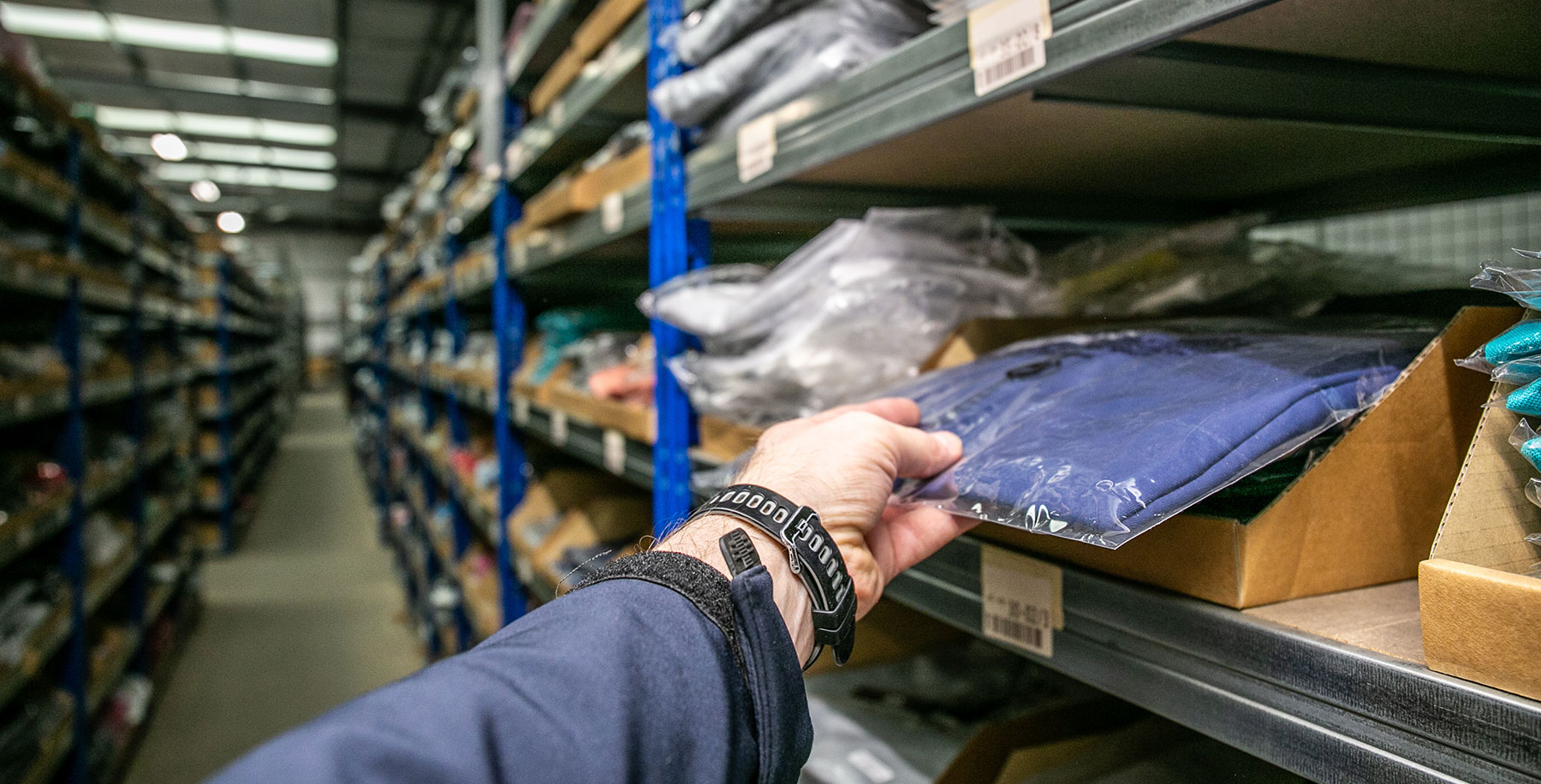
كيف تساعد Shipito الشركات على تخزين الطلبات وتغليفها وشحنها إلى جميع أنحاء العالم.
الرئيسية > المدونة > ما هو تنفيذ طلبات التجارة الإلكترونية؟
تنفيذ طلبات التجارة الإلكترونية هو كل ما يحدث بين لحظة نقر العميل على «شراء» ووصول الطرد إلى باب منزله. ويشمل استلام منتجاتك وتخزينها، واختيار المنتجات الصحيحة عند وصول الطلب، وتغليفها، واختيار شركة الشحن، وتجهيز المستندات الجمركية، وتتبع الشحنة، والتعامل مع المرتجعات.
إذا كنت تبيع عبر الحدود، تصبح كل خطوة من هذه الخطوات أصعب قليلاً. فقد يتطلب كل طلب نماذج جمركية، وقيودًا على المنتجات، وقواعد شركات الشحن، ومتطلبات تختلف حسب وجهة الطرد. التنفيذ الجيد هو ما يُبعد هذا التعقيد عن عميلك.
يشرح هذا الدليل كيف يعمل تنفيذ طلبات التجارة الإلكترونية، والطرق المختلفة التي تتعامل بها الشركات معه، وكيف تساعد Shipito for Business الشركات على تخزين منتجاتها في الولايات المتحدة وشحنها إلى جميع أنحاء العالم. أضفنا تفاصيل حقيقية عن الخدمة والأسعار الحالية حتى تتمكن من مقارنة Shipito بالخيارات الأخرى بدلاً من التخمين.
جدول المحتويات
- ما هو تنفيذ طلبات التجارة الإلكترونية؟
- كيف تعمل عملية تنفيذ طلبات التجارة الإلكترونية؟
- ما النماذج الرئيسية لتنفيذ طلبات التجارة الإلكترونية؟
- متى يجب الاستعانة بجهة خارجية لتنفيذ الطلبات؟
- ما الذي يميز تنفيذ طلبات التجارة الإلكترونية الدولية؟
- كيف يخفض تجميع الطرود تكاليف الشحن
- كيف تتعامل Shipito for Business مع تنفيذ الطلبات
- التنفيذ عبر Shopify مقابل التنفيذ اليدوي
- كيف تختار مزود خدمة تنفيذ الطلبات
- كيف تبدأ مع Shipito for Business
- الأسئلة الشائعة حول تنفيذ طلبات التجارة الإلكترونية
- بسّط تنفيذ طلبات التجارة الإلكترونية الدولية مع Shipito
ما هو تنفيذ طلبات التجارة الإلكترونية؟
تنفيذ طلبات التجارة الإلكترونية هو مجموعة الخطوات الكاملة اللازمة لإتمام طلب تم عبر الإنترنت. يبدأ قبل أن يشتري أي شخص أي شيء، منذ وصول مخزونك لأول مرة إلى المستودع. وينتهي بعد التسليم، عندما تعرف ما إذا كان العميل سيحتفظ بالمنتج أو سيعيده.
تشمل عملية التنفيذ الكاملة عادةً:
- استلام المنتجات من المورد
- تسجيل المخزون وتنظيمه
- تخزين المنتجات بأمان
- استقبال طلبات العملاء
- انتقاء المنتجات الصحيحة من الرفوف
- تغليف كل طلب
- اختيار شركة الشحن ومستوى الخدمة
- تجهيز المستندات الجمركية للطلبات الدولية
- إرسال تفاصيل التتبع إلى العميل
- التعامل مع أي منتج يُعاد
بعض الشركات تقوم بكل ذلك بنفسها. وتُسند شركات أخرى جزءًا منه أو كله إلى مزود خدمات لوجستية خارجي، يُعرف عادةً باسم 3PL.
تنفيذ طلبات التجارة الإلكترونية مقابل الشحن
يُستخدم هذان المصطلحان كأنهما يعنيان الشيء نفسه، لكنهما مختلفان.
الشحن خطوة واحدة: نقل الطرد من مكانه إلى مكان العميل. أما التنفيذ فهو العمل كله، بما في ذلك كل ما يحدث قبل هذه الرحلة وبعدها.
إليك النسخة المبسطة: يستلم مزود التنفيذ منتجك، ويخزنه، وينتقيه عندما يطلبه أحد، ويغلفه، ويجهز المستندات، ثم يسلمه إلى شركة الشحن. وشركة الشحن هي التي تقوم بالشحن.
تنفيذ طلبات التجارة الإلكترونية مقابل تنفيذ الطلبات بشكل عام
يستخدم معظم الناس هذين المصطلحين بالتبادل، ولا بأس بذلك. لكن هناك فرقًا صغيرًا يستحق المعرفة. تنفيذ الطلبات مصطلح أوسع يشمل طلبات البيع بالتجزئة والجملة والطلبات بين الشركات. أما تنفيذ طلبات التجارة الإلكترونية فيشير تحديدًا إلى الطلبات التي تتم عبر الإنترنت، سواء من موقعك الإلكتروني أو تطبيق أو منصة بيع.
ما هو 3PL؟
3PL اختصار لعبارة الخدمات اللوجستية من طرف ثالث (third-party logistics). ومزود 3PL هو شركة تدير العمليات اللوجستية لشركة أخرى. وقد يشمل ذلك استلام المخزون وتخزينه ومعالجة الطلبات والانتقاء والتغليف والشحن وإدارة المرتجعات.
العمل مع مزود 3PL يعني أنك لا تحتاج إلى بناء عمليات مستودع خاصة بك. Shipito for Business هي مزود 3PL وحل للشحن الدولي مصمم للشركات التي تشتري المنتجات وتخزنها وتشحنها من الولايات المتحدة إلى العملاء في جميع أنحاء العالم.
كيف تعمل عملية تنفيذ طلبات التجارة الإلكترونية؟
تختلف الخطوات الدقيقة حسب منتجاتك وقنوات البيع ومزود الخدمة. لكن كل طلب عبر الإنترنت تقريبًا يمر بالمراحل التسع التالية.
1. استلام المخزون
يبدأ التنفيذ عندما تصل منتجاتك إلى المستودع من الشركة المصنّعة أو تاجر الجملة أو المتجر. يفحص المستودع الشحنة عند وصولها ويسجل المنتجات في حسابك.
هذه الخطوة أهم مما يتوقعه الكثيرون. فالملصق المفقود أو الكمية الخاطئة أو الصندوق التالف يسبب مشكلة لا تظهر إلا لاحقًا، عندما يكون العميل ينتظر بالفعل. اتبع قواعد الملصقات والتغليف الخاصة بالمستودع قبل إرسال أي شيء.
2. تخزين المخزون وإدارته
بعد استلام المنتجات، يتم تنظيمها ووضعها في أماكنها. ويتتبع نظام المخزون ما لديك ومكان وجوده.
دقة أرقام المخزون تمنعك من بيع شيء غير موجود لديك فعلاً. وعندما يكون متجرك مرتبطًا بنظام التنفيذ، يمكن تحديث مستويات المخزون تلقائيًا مع خروج الطلبات.
3. استلام طلب العميل
عندما يشتري أحد، يحتاج فريق التنفيذ إلى التفاصيل: أي منتجات، وكم عددها، وإلى أين ستذهب، وطريقة الشحن التي اختارها العميل.
يمكن أن تصل الطلبات تلقائيًا من خلال ربط متجرك بالنظام، أو يمكنك إرسالها بنفسك. التدفق التلقائي للطلبات يوفر عليك إعادة كتابة المعلومات نفسها مرتين. أما الإرسال اليدوي فيناسب من يبيع على منصات البيع أو ليس لديه متجر مرتبط.
4. انتقاء المنتجات
الانتقاء يعني العثور على المنتجات الصحيحة وجمعها من رفوف المستودع. يستخدم الفريق تفاصيل طلبك لتحديد كل منتج ومكانه.
إرسال منتج خاطئ يكلفك مرتين. تدفع لشحنه، ثم تدفع مرة أخرى لإصلاح الخطأ، والعميل لا ينسى ذلك.
5. تغليف الطلب
توضع المنتجات المنتقاة في تغليف يحميها دون إضافة حجم لا داعي له.
الحجم مهم هنا. تستخدم معظم شركات الشحن الوزن الحجمي، أي أنها تحتسب السعر بناءً على المساحة التي يشغلها طردك في الطائرة، وليس على وزنه فقط. الصندوق نصف الفارغ يكلف مالاً حقيقيًا. والتغليف بالحجم المناسب يحمي المنتج ويخفض الفاتورة.
6. اختيار خدمة الشحن
الآن تختار شركة الشحن ومستوى الخدمة. أهم ما يجب مراعاته:
- وجهة الطرد
- وزن الطرد وحجمه
- نوع المنتج
- شركات الشحن التي تخدم تلك الوجهة
- مدة النقل المتوقعة
- خيارات التتبع
- التكلفة
- توفر التأمين
- قيود المنتجات والوجهات
لا توجد طريقة شحن واحدة تفوز في كل مرة. فالخيارات المتاحة تتغير حسب الطرد والوجهة، لذلك من الأفضل مقارنة الخيارات لكل شحنة بدلاً من اختيار شركة شحن واحدة والالتزام بها دائمًا.
7. تجهيز مستندات الشحن الدولي
تحتاج الطرود الدولية إلى معلومات جمركية. يستخدمها موظفو الجمارك لمعرفة ما في الصندوق، وقيمته، ومصدره، وسبب دخوله إلى البلد.
يجب أن تكون أوصاف منتجاتك وقيمها المصرّح بها دقيقة. تختلف الرسوم الجمركية والضرائب والمستندات المطلوبة وقيود الاستيراد من بلد لآخر. وأحيانًا يحتاج العميل أو شركتك أيضًا إلى تقديم معلومات مباشرة إلى شركة الشحن أو إلى الجمارك.
لا تفترض أن المنتج يمكن أن يُشحن إلى أي مكان. راجع قائمة Shipito للمواد المحظورة والمقيدة وتأكد من قواعد الوجهة قبل إرسال المخزون أو البدء في استقبال الطلبات الدولية.
8. الشحن والتتبع
يذهب الطلب المغلف إلى شركة الشحن، ويتيح التتبع لك ولعميلك متابعته.
قد يتأخر التسليم الدولي بسبب الإجراءات الجمركية أو الطقس أو تراكم الشحنات لدى شركة الشحن أو عنوان غير مكتمل. مدد النقل المتوقعة مفيدة لتحديد التوقعات، لكن تعامل معها كتقديرات وليست وعودًا، إلا إذا ضمنت شركة الشحن تاريخًا محددًا.
9. إدارة المرتجعات
المرتجعات جزء من التنفيذ، وليست مشكلة منفصلة. والمصطلح المستخدم في هذا المجال لإعادة المنتج من العميل هو الخدمات اللوجستية العكسية.
قد تشمل عملية المرتجعات استلام الطرد، والتعرف على المنتج، وفحص حالته، وتصويره، وإعادة تغليفه، وتخزينه، وإرساله إلى المورد، أو إعادة توجيهه إلى مشترٍ آخر.
المرتجعات عبر الحدود أصعب من المرتجعات المحلية. قرر كيف ستتعامل معها قبل أن تبدأ البيع في بلد جديد، وليس بعد وصول أول مرتجع.
ما النماذج الرئيسية لتنفيذ طلبات التجارة الإلكترونية؟
لا يوجد نموذج يناسب كل الشركات. النموذج المناسب يعتمد على حجم طلباتك، ومنتجاتك، وأماكن بيعك، وعدد موظفيك، وأماكن عملائك، ومدى سرعة النمو التي تخطط لها.
التنفيذ الذاتي
تخزّن كل شيء وتنتقيه وتغلفه وتشحنه بنفسك. وهذا يناسبك عندما تكون جديدًا وما زالت طلباتك قليلة جدًا.
تحتفظ بالتحكم الكامل في التغليف وتجربة العميل عند فتح الطرد. لكن الثمن هو المساحة والعمالة والمستلزمات وحسابات شركات الشحن والوقت. وتضيف الطلبات الدولية المستندات الجمركية وقواعد الوجهات فوق ذلك.
التنفيذ عبر طرف ثالث
ترسل مخزونك إلى مزود 3PL، فيخزنه ويعالج الطلبات وفق طريقة عمل تتفقان عليها مسبقًا.
هذا يعيد إليك الساعات التي كنت تقضيها في التغليف. قبل الالتزام، احصل على إجابات واضحة حول قواعد الاستلام، وشروط التخزين، والرسوم، وعمليات الربط، وخيارات شركات الشحن، وطريقة المرتجعات، وشروط الأهلية.
التنفيذ عبر منصات البيع
تقوم بعض منصات البيع بتنفيذ الطلبات التي تتم على منصتها. فهي أو شريكها اللوجستي يحتفظ بمخزونك ويشحن الطلبات المؤهلة.
داخل منصة البيع هذه يكون الأمر بسيطًا. أما خارجها فأنت وحدك. تختلف القواعد والرسوم ومتطلبات المخزون ومقدار التحكم الذي تحتفظ به. وإذا كنت تبيع عبر عدة قنوات، فستحتاج على الأرجح إلى حل ثانٍ لكل ما عدا ذلك.
الشحن المباشر (Dropshipping)
لا تحتفظ بالمنتج إطلاقًا. يطلب العميل، ويشحن المورد المنتج إليه مباشرة.
الشحن المباشر والتنفيذ عبر طرف ثالث ليسا الشيء نفسه، رغم أن الناس يخلطون بينهما. مع مزود 3PL، يكون المخزون ملكك ويوجد في مستودعه. أما في الشحن المباشر، فيملك المورد المخزون أو يتحكم فيه عادةً حتى تتم عملية البيع.
التنفيذ الهجين
تجمع بين طريقتين أو أكثر. كثير من الشركات تنفذ الطلبات المحلية بنفسها وتُسند الطلبات الدولية إلى مزود 3PL. وتستخدم شركات أخرى تنفيذ منصة البيع لقناة واحدة ومزودًا منفصلاً لموقعها الإلكتروني.
يمنحك النموذج الهجين المرونة. لكنه يعني أيضًا أن بيانات المخزون والطلبات موجودة في أكثر من مكان، لذا تحتاج إلى نظام واضح للحفاظ على تطابقها.
متى يجب الاستعانة بجهة خارجية لتنفيذ طلبات التجارة الإلكترونية؟
ليست كل الشركات بحاجة إلى ذلك. إذا كنت تشحن عددًا قليلاً من الطلبات أسبوعيًا، فالقيام بذلك بنفسك غالبًا هو الحل الأرخص والأبسط. تأتي نقطة التحول عندما تبدأ الأعمال اللوجستية في استهلاك الوقت الذي يجب أن تقضيه في البيع والمنتج والعملاء.
علامات تدل على أن الوقت قد حان للاستعانة بمزود خدمة:
- التغليف والشحن يستحوذان على يوم عملك
- مساحة التخزين لديك تنفد
- أصبح من الصعب مواكبة حجم الطلبات
- أخطاء الانتقاء أو التغليف أو العناوين تتزايد
- تريد البيع في دول أكثر
- أصبح الاختيار بين شركات الشحن الدولية مشروع بحث بحد ذاته
- المستندات الجمركية تستغرق وقتًا أطول مما ينبغي
- تحتاج إلى نظام مرتجعات يعمل فعلاً
- تحتاج طلباتك إلى الارتباط بمتجرك أو بنظام آخر
- مواسم الذروة تجعل حجم طلباتك يتغير بشدة
اتخذ القرار بناءً على وضعك الحالي، وليس على ما تأمل أن تكون عليه بعد عامين. يجب أن يناسب المزود الجيد منتجاتك الحالية وحجم طلباتك وقنواتك ووجهاتك ومستوى الأتمتة الذي تستخدمه فعلاً.
ما الذي يميز تنفيذ طلبات التجارة الإلكترونية الدولية؟
الخطوات الأساسية واحدة. لكن الطلبات الدولية تضيف قرارات أكثر في كل خطوة.
المستندات الجمركية
يحتاج كل طرد دولي إلى معلومات جمركية دقيقة. الأوصاف الغامضة مثل «عينة» أو «هدية» أو «قطع» لا تكفي وقد تؤدي إلى احتجاز شحنتك. اذكر ما هو المنتج فعلاً.
المعلومات الخاطئة أو غير المكتملة تسبب التأخير والرسوم الإضافية، وأحيانًا مصادرة الطرود. وبصفتك الشاحن، تقع هذه المسؤولية عليك.
الرسوم الجمركية والضرائب
قد يفرض بلد الوجهة رسوم استيراد أو ضرائب أو رسومًا أخرى. ويعتمد ما يُفرض على المنتج والقيمة المصرّح بها وبلد المنشأ والقواعد المحلية.
أخبر عملاءك مسبقًا بمن يدفع. وتجنب تقديم نصائح ضريبية عامة، لأن الإجابة تتغير فعلاً من بلد لآخر ومن طلب لآخر.
توفر شركات الشحن والخدمات
لا تصل كل شركات الشحن إلى كل مكان. كما تفرض شركات الشحن قيودًا على منتجات معينة وأحجام الطرود وأوزانها ومستويات الخدمة.
العمل مع مزود يوفر أكثر من شركة شحن يمنحك مساحة للتحرك عندما لا يخدم خيارك الأول وجهة معينة. ومع ذلك، تحقق من التوفر لكل طلب.
المنتجات المحظورة والمقيدة
قد يكون المنتج الذي يمكنك بيعه قانونيًا في بلد ما مقيدًا في بلد آخر. وتضيف شركات الشحن قواعدها الخاصة فوق قوانين الاستيراد الوطنية، وأحيانًا تكون هذه القواعد أكثر صرامة.
تحقق من قواعد التصدير وقيود شركات الشحن ومتطلبات الوجهة قبل أن تعرض التوصيل الدولي. وانتبه بشكل خاص لأي منتج يحتوي على بطاريات أو سوائل أو أغذية أو مكملات غذائية أو مستحضرات تجميل أو مكونات طبية.
المرتجعات الدولية
المرتجعات عبر الحدود تعني رسوم بريد دولية، وأسئلة جمركية من جديد، ومدة نقل أطول، وتكلفة معالجة أعلى. سياسة مرتجعات واضحة في صفحة المنتج توفر عليك الخلافات لاحقًا.
قرر مسبقًا ما إذا كان المنتج المرتجع سيُفحص، أو يُخزن، أو يُعاد إلى المورد، أو يُضم إلى مخزون آخر، أو يُعاد توجيهه إلى عميل جديد.
كيف يخفض تجميع الطرود تكاليف الشحن
التجميع يعني دمج عدة طرود في شحنة واحدة قبل أن تغادر المستودع. فبدلاً من دفع رسوم الشحن الدولي على أربعة صناديق منفصلة، تدفعها مرة واحدة.
على هذه الفكرة قامت Shipito، وهي تساعد الشركات في اتجاهين.
الوارد. عندما تشتري مخزونًا من عدة موردين في الولايات المتحدة، تصل هذه الصناديق بشكل منفصل. وتجميعها في شحنة صادرة واحدة يخفض تكلفة الشحن الدولي ويقلل عدد الإقرارات الجمركية التي عليك إدارتها.
الصادر. عندما يطلب العميل أكثر من منتج، تُشحن هذه المنتجات معًا في طرد واحد بدلاً من شحنها منفصلة. وعدد أقل من الطرود يعني عادةً فاتورة إجمالية أقل.
التجميع متاح أيضًا من خلال واجهة API الخاصة بـ Shipito for Business، لذا يمكنك دمج الشحنات برمجيًا بدلاً من طلب ذلك يدويًا. ويمكنك مقارنة تكاليف شحناتك باستخدام حاسبة الشحن من Shipito.
كيف تتعامل Shipito for Business مع تنفيذ الطلبات
تنقل Shipito الطرود عبر الحدود منذ أكثر من 20 عامًا، وتشحن إلى أكثر من 220 دولة ومنطقة. وتوجه Shipito for Business هذه البنية نفسها إلى الشركات التي تحتاج إلى التخزين في الولايات المتحدة وتنفيذ الطلبات والشحن الدولي دون فتح مستودع خاص بها.
يتوفر دعم العملاء بـ 12 لغة، وهذا مهم إذا كان فريقك لا يعمل باللغة الإنجليزية.
تم التحقق من التفاصيل التالية على موقع Shipito في 28 يوليو 2026. تتغير الأسعار وشروط الخدمة، لذا راجع الأسئلة الشائعة حول Shipito for Business للاطلاع على الأرقام الحالية قبل وضع ميزانيتك.
أين يُخزن مخزونك
تدير Shipito أربعة مستودعات:
- كاليفورنيا، الولايات المتحدة. أقل أسعار الشحن وأسرع مدة نقل بفضل قربه من مطار LAX.
- أوريغون، الولايات المتحدة. لا توجد ضريبة مبيعات، ما يعني أنه يمكنك شراء المخزون من موردين أمريكيين دون دفع ضريبة المبيعات الخاصة بالولاية على الشراء.
- راستنفيلد، النمسا. خدمة سريعة إلى أوروبا مع رحلات مباشرة من فيينا.
- تشيبا، اليابان. للشركات التي تشتري منتجات يابانية وتشحنها إلى جميع أنحاء العالم.
يُحفظ مخزون خدمة الانتقاء والتغليف في مستودع كاليفورنيا أو أوريغون. ويمكنك مقارنة المستودعات الأربعة في صفحة مواقع مستودعات Shipito.
يستحق خيار أوريغون نظرة ثانية إذا كنت تشتري كثيرًا من المخزون في الولايات المتحدة. لا تفرض أوريغون ضريبة مبيعات على مستوى الولاية، لذا فإن توصيل الموردين إلى هناك قد يقلل ما تدفعه عند الشراء. تعتمد القواعد الضريبية على نشاطك التجاري ومكان تسجيله، لذا استشر مستشارك قبل أن تبني خطتك على ذلك.
الانتقاء والتغليف
الانتقاء والتغليف يعني أن موظفي المستودع يسحبون منتجات الطلب من الرفوف ويغلفونها للشحن. يبقى مخزونك في المستودع، ويصل الطلب، فيقوم الفريق بانتقائه وتغليفه وشحنه مباشرة إلى عميلك.
الأسعار الحالية:
- الربط مع Shopify: $3 لكل منتج، ويشمل مواد التغليف وفتح الطرد والتأكد من وصول المنتج الصحيح إلى العميل الصحيح.
- التنفيذ اليدوي: $2.25 لكل طرد، على أن تصل الطرود جاهزة للشحن.
- الشحن: يُحتسب بشكل منفصل حسب الوجهة والوزن وحجم الطرد.
أمر يجب معرفته قبل البدء: تتطلب خدمة الانتقاء والتغليف مكالمة تأهيل مسبق مع فريق خدمة عملاء Shipito، ويجب إعداد واجهة API على حسابك. لا ترسل المخزون قبل إتمام ذلك.
الربط مع Shopify
إذا كنت تبيع على Shopify، فإن تطبيق Shipito يربط متجرك بالمستودع. بعد إتمام الربط، يُضاف مخزونك إلى متجرك وتتم مزامنة مستويات المخزون تلقائيًا.
عندما يطلب العميل، تستلم Shipito تفاصيل الطلب، وتنتقي المنتج، وتغلفه، وتشحنه. لا جداول بيانات ولا نسخ للعناوين. يحصل مخزون التنفيذ عبر Shopify على 90 يومًا من التخزين المجاني. ويُحتسب إعداد المخزون ومزامنته بسعر $15 لكل نصف ساعة عمل.
تجد مزيدًا من التفاصيل في نظرة عامة على تطبيق Shipito لـ Shopify وواجهة API.
التنفيذ اليدوي للبائعين على منصات البيع
لا تحتاج إلى متجر Shopify. التنفيذ اليدوي مصمم للبائعين على منصات مثل eBay وAmazon وEtsy وTikTok.
إليك الفرق: تُرسل الطلبات عن طريق رفع جدول بيانات بدلاً من الربط التلقائي. ويجب أن يصل مخزونك جاهزًا للشحن، لأن الطرود يُعاد توجيهها فور وصولها إلى المستودع. يمكن أن تصل المنتجات منفردة أو مجمعة داخل صندوق رئيسي. التنفيذ اليدوي يعمل فقط مع الطرود الواردة التي تحتاج إلى إعادة توجيه عند وصولها، لذا لا يمكن أن تكون الطرود موجودة مسبقًا في حسابك على Shipito.
واجهة API الخاصة بـ Shipito for Business
واجهة API (واجهة برمجة التطبيقات) هي ببساطة طريقة تتيح لنظامين حاسوبيين التواصل معًا. واجهة Shipito مبنية على HTTPS وJSON، وهما مألوفان لمعظم المطورين.
تشمل ميزات API الحالية:
- أسعار شحن فورية من عدة شركات شحن
- التجميع، لدمج الطرود في شحنة واحدة
- التحقق من العناوين
- خيارات التأمين
- مستندات جمركية آلية
- التعامل مع البضائع الخطرة
لا يوجد حد أدنى للشحن لاستخدامها، وهي متاحة لجميع أعضاء Shipito for Business. وهي مخصصة للشركات التي تبيع عبر موقعها الإلكتروني الخاص. ستحتاج أولاً إلى حساب Shipito for Business، ثم يمكنك طلب بيانات الاعتماد والوثائق من الفريق عبر business@shipito.com. مزيد من التفاصيل في صفحة API الخاصة بـ Shipito for Business.
خيارات الشحن الدولي
يحصل أعضاء Shipito for Business على أكثر من 20 شركة شحن وخدمة، منها DHL وUPS وUSPS وFedEx وAramex وAustralia Post وSagawa وBoxberry وAustrian Post وShipito World Direct.
وجود الخيارات يعني أنه يمكنك الموازنة بين السعر والسرعة لكل وجهة بدلاً من الالتزام بما تفرضه شركة شحن واحدة. تعتمد شركات الشحن المتاحة على المستودع وبلد الوجهة. راجع طرق الشحن الحالية حسب الوجهة قبل أن تعطي العميل موعد تسليم تقديريًا.
إدارة المرتجعات
تقوم Shipito بأتمتة المرتجعات، وهو ما يُعرف في هذا المجال بالخدمات اللوجستية العكسية. وتشمل العملية الفحص وإعادة التغليف وإعادة التوجيه وصورًا تفصيلية لمحتويات الطرد.
بعض التفاصيل التي يغفل عنها الكثيرون:
- الإدارة الآلية للمرتجعات متاحة في مستودع أوريغون فقط. المرتجعات المرسلة إلى كاليفورنيا تُعالج يدويًا ولا تحصل على المزايا نفسها.
- يجب إرسال طرود المرتجعات إلى أوريغون برقم جناح (Suite) ينتهي بـ RET. وبدون ذلك تُعالج كطرود عادية.
- تحصل طرود المرتجعات على 90 يومًا من التخزين المجاني.
- المعالجة القياسية بسعر $4 لكل طرد وتشمل المعالجة وصورة واحدة للصندوق مفتوحًا والتجميع ووصف المحتويات.
- المعالجة المتقدمة بسعر $8 لكل طرد وتضيف فحصًا بصريًا للأضرار وثلاث صور تفصيلية.
إذا أردت إعادة بيع المنتجات المرتجعة، يمكنك إعادة تغليفها وإعادة توجيهها إلى مشترٍ آخر. وتتوفر ميزة Auto Ship التي تعالج المرتجعات وتشحنها تلقائيًا بعد تحديد تفضيلات الحجم أو الوزن. التفاصيل الكاملة في صفحة المرتجعات الخاصة بـ Shipito for Business.
تكلفة العضوية
عضوية Shipito for Business تكلف $99 سنويًا أو $12 شهريًا. وهناك أربعة مستويات، ويُطبق الخصم تلقائيًا عند وصولك إلى مستوى جديد:
- Standard: أقل من 10 طرود شهريًا. رسوم معالجة $2.25 لكل طرد، و45 يومًا من التخزين المجاني.
- Starter: من 10 إلى 29 طردًا شهريًا. رسوم معالجة $1.25، و45 يومًا من التخزين المجاني، وخصم 5% على الشحن.
- Growth: من 30 إلى 49 طردًا شهريًا. رسوم معالجة $0.75، و60 يومًا من التخزين المجاني، وخصم 7% على الشحن.
- Enterprise: 50 طردًا أو أكثر شهريًا. بدون رسوم معالجة، و90 يومًا من التخزين المجاني، وخصم 10% على الشحن.
لا تحتاج إلى امتلاك شركة مسجلة للاشتراك، رغم أن العضوية مصممة للشركات الصغيرة والمتوسطة ومن يشحنون بكثرة. ويمكن لأعضاء Shipito for Business أيضًا شحن المنصات النقالة (Pallets). قارن الخطط في صفحة أسعار Shipito.
التنفيذ عبر Shopify مقابل التنفيذ اليدوي
يؤدي الخياران المهمة الأساسية نفسها، لكن كلاً منهما يناسب طريقة عمل مختلفة.
التنفيذ عبر Shopify
- للشركات التي لديها متجر على Shopify
- مزامنة المخزون والطلبات تلقائيًا بين متجرك وShipito
- $3 لكل منتج
- 90 يومًا من التخزين المجاني لمخزون التنفيذ
- يُحتسب إعداد المخزون بسعر $15 لكل نصف ساعة
- يتطلب الربط مع Shopify بالإضافة إلى التأهيل المسبق من Shipito
التنفيذ اليدوي
- للبائعين على eBay وAmazon وEtsy وTikTok والمنصات المشابهة
- لا حاجة إلى موقع إلكتروني
- تُرسل الطلبات عن طريق رفع جدول بيانات
- $2.25 لكل طرد
- يجب أن يصل المخزون جاهزًا للشحن ويُعاد توجيهه عند وصوله
- ليس ربطًا تلقائيًا مع كل منصة بيع
السعر ليس كل شيء. الفرق بين $3 و$2.25 صغير مقارنة بالساعات التي توفرها أو تقضيها في إدخال الطلبات يدويًا. اختر بناءً على قنوات البيع وحجم الطلبات ومقدار الوقت الذي تريد استعادته من أسبوعك.
كيف تختار مزود خدمة تنفيذ طلبات التجارة الإلكترونية
يصبح مزود التنفيذ جزءًا من تجربة عميلك، شئت أم أبيت. اطرح هذه الأسئلة قبل توقيع أي شيء.
- ما قنوات البيع التي يدعمها؟ موقعك الإلكتروني، أو منصتك، أو منصات البيع، أو عملية يدوية.
- ما متطلبات الاستلام؟ كيف يجب وضع الملصقات على المنتجات وتغليفها وتوثيقها وتسليمها.
- كيف يتم تتبع المخزون؟ تسجيله وتخزينه ومزامنته والإبلاغ عنه.
- أي مستودع سيتعامل مع طلباتك؟ وهل يدعم هذا الموقع الخدمة التي تريدها؟ فليست كل الخدمات متاحة في كل موقع.
- ما التكلفة الإجمالية؟ العضوية، والاستلام، والتخزين، والمعالجة، والانتقاء، والتغليف، والمواد، والشحن، والتأمين، والمعاملة الخاصة، والمرتجعات.
- ما شركات الشحن التي يمكنك الوصول إليها؟ تحديدًا للدول الرئيسية التي يوجد بها عملاؤك.
- ما حجم خبرته الدولية؟ اسأل عن المستندات الجمركية والمنتجات المقيدة وقواعد الوجهات.
- كيف تعمل المرتجعات؟ إلى أين تذهب وما المعالجة المتاحة.
- ما شروط الأهلية؟ لا ترسل المخزون أبدًا قبل الموافقة على حسابك وطريقة العمل.
- هل يمكنك التجربة أولاً؟ نفّذ دفعة صغيرة ومحكومة قبل نقل حجم حقيقي.
المزود المناسب يلائم طريقة عملك اليوم ويترك مجالاً لما تتجه إليه.
كيف تبدأ مع Shipito for Business
- راجع خدمات التنفيذ من Shipito for Business.
- حدد ما إذا كان الربط مع Shopify أو التنفيذ اليدوي يناسب طريقة عملك.
- تواصل مع فريق Shipito for Business عبر business@shipito.com للتأهيل المسبق.
- أكمل العضوية والحساب وإعداد API أو الربط.
- تأكد من المستودع الذي سيحتفظ بمخزونك واحصل على تعليمات الاستلام الدقيقة.
- جهّز منتجاتك وضع عليها الملصقات وفق تلك التعليمات.
- نفّذ طلبًا تجريبيًا من البداية إلى النهاية قبل زيادة الحجم.
لا ترسل مخزون التنفيذ قبل أن تؤكد Shipito أهليتك وإعداداتك وتعليمات المستودع. الإرسال المبكر يخلق عملاً إضافيًا للجميع.
الأسئلة الشائعة حول تنفيذ طلبات التجارة الإلكترونية
ما هو تنفيذ طلبات التجارة الإلكترونية؟
تنفيذ طلبات التجارة الإلكترونية هو عملية استلام المخزون، وتخزين المنتجات، ومعالجة الطلبات عبر الإنترنت، وانتقاء المنتجات وتغليفها، وشحن الطرود، وإدارة المرتجعات.
ما الفرق بين التنفيذ والشحن؟
الشحن هو نقل الطرد من مصدره إلى العميل. أما التنفيذ فهو العملية الأكبر التي تشمل المخزون ومعالجة الطلبات والانتقاء والتغليف والشحن والتتبع والمرتجعات.
ما هو مركز التنفيذ؟
مركز التنفيذ هو مستودع مجهز لمعالجة طلبات العملاء الفردية. المستودع التقليدي يخزن البضائع بكميات كبيرة في الغالب. أما مركز التنفيذ فيستلم المخزون ويخزنه، ثم ينتقي الطلبات الفردية ويغلفها ويشحنها عند وصولها.
ما هو تنفيذ طلبات التجارة الإلكترونية عبر 3PL؟
تنفيذ طلبات التجارة الإلكترونية عبر 3PL يعني أن يتولى مزود خدمات لوجستية من طرف ثالث أعمال التنفيذ لشركة تبيع عبر الإنترنت. ترسل مخزونك إلى المزود، وهو يعالج طلبات عملائك.
هل يمكن لشركة دولية استخدام مركز تنفيذ في الولايات المتحدة؟
نعم. كثير من الشركات الموجودة خارج الولايات المتحدة تستخدم شريك تنفيذ أمريكيًا لتتمكن من الشراء من موردين أمريكيين، والاحتفاظ بالمخزون قرب هؤلاء الموردين، والشحن إلى جميع أنحاء العالم. وهذا بالضبط ما صُممت له Shipito for Business. التأهيل المسبق مطلوب قبل إرسال المخزون.
كم تكلفة تنفيذ طلبات التجارة الإلكترونية مع Shipito؟
حتى يوليو 2026، تبلغ عضوية Shipito for Business $99 سنويًا أو $12 شهريًا. الانتقاء والتغليف بسعر $3 لكل منتج عبر الربط مع Shopify أو $2.25 لكل طرد للتنفيذ اليدوي. معالجة المرتجعات بسعر $4 أو $8 لكل طرد حسب المستوى. ويُحتسب الشحن بشكل منفصل حسب الوجهة والوزن والحجم. راجع الأسئلة الشائعة حول Shipito for Business للاطلاع على الأسعار الحالية.
أي مستودع من مستودعات Shipito يتولى التنفيذ؟
يُخزن مخزون الانتقاء والتغليف في مستودع كاليفورنيا أو أوريغون. والإدارة الآلية للمرتجعات تعمل في مستودع أوريغون فقط. كما تدير Shipito مستودعات في راستنفيلد بالنمسا وتشيبا باليابان لخدمات أخرى.
هل يمكن لـ Shipito تنفيذ طلبات Shopify؟
نعم. تقدم Shipito تنفيذًا مرتبطًا بـ Shopify. تحتاج أولاً إلى إكمال الربط مع Shopify والتأهيل المسبق من Shipito.
هل يمكن لـ Shipito دعم البائعين على Amazon أو eBay أو Etsy أو TikTok؟
نعم، من خلال التنفيذ اليدوي. تُرسل الطلبات عن طريق رفع جدول بيانات بدلاً من الربط التلقائي بمنصة البيع، ويجب أن يصل المخزون جاهزًا للشحن.
هل يمكن لـ Shipito شحن طلبات التجارة الإلكترونية دوليًا؟
نعم. تشحن Shipito إلى أكثر من 220 دولة ومنطقة عبر أكثر من 20 شركة شحن وخدمة. وتعتمد الخيارات المتاحة لكل طلب على الوجهة والمنتج وحجم الطرد ووزنه وقواعد شركة الشحن والقيود الحالية.
هل أحتاج إلى API لاستخدام خدمة الانتقاء والتغليف؟
نعم. يجب إعداد API على حسابك، وتحتاج إلى فحص تأهيل مسبق من خدمة عملاء Shipito لتأكيد ما إذا كنت مُعدًّا للربط مع Shopify أو للتنفيذ اليدوي.
هل يمكنني استخدام ملصقات الشحن الخاصة بي؟
لا. تشترط Shipito استخدام ملصقاتها الخاصة للطرود التي تمر عبر مستودعاتها. وهذا يحافظ على اتساق عملية التنفيذ وإمكانية تتبعها.
متى يجب أن تبدأ الشركة الصغيرة في استخدام خدمة تنفيذ الطلبات؟
عندما يبدأ التخزين أو التغليف أو الشحن أو المستندات الجمركية أو المرتجعات في أخذ الوقت من تنمية نشاطك التجاري. اتخذ القرار بناءً على حجم طلباتك الحالي وتكاليفك ومنتجاتك ووجهاتك، وليس على قاعدة عامة.
بسّط تنفيذ طلبات التجارة الإلكترونية الدولية مع Shipito
التنفيذ الجيد ينقل الطلبات من رفّك إلى عميلك بدقة ودون متاعب. والشحن الدولي يضيف إلى هذه المهمة اختيار شركات الشحن والمستندات الجمركية وقيود المنتجات والمرتجعات.
تجمع Shipito for Business التنفيذ والشحن الدولي في مكان واحد: الانتقاء والتغليف من كاليفورنيا أو أوريغون، وتطبيق لـ Shopify، والتنفيذ اليدوي للبائعين على منصات البيع، وواجهة API، والمرتجعات الآلية، وتجميع الطرود، والوصول إلى أكثر من 20 شركة شحن. ويتوفر الدعم بـ 12 لغة، مع أكثر من 20 عامًا من خبرة الشحن عبر الحدود.
استكشف خدمات التنفيذ من Shipito for Business أو راسلنا على business@shipito.com لمناقشة الإعداد المناسب لمتجرك.

